
Czechia signs immigration law despite concerns over mixed-nationality families
Lawmakers rejected an attempt to protect foreign spouses of Czech citizens before President Pavel signed the legislation. Here's who could be affected.
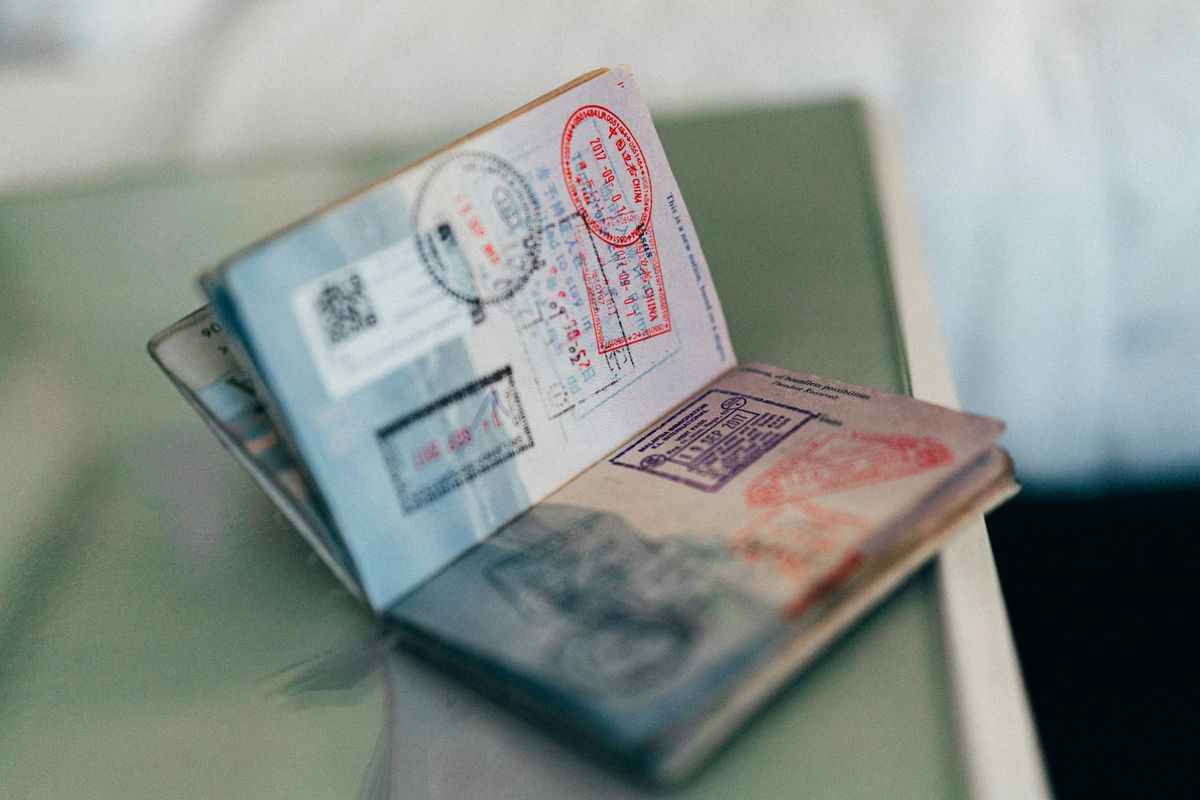
A Canadian woman married to a Slovak living in Prague may be allowed to stay in Czechia while appealing a rejected residence application. A Canadian woman married to a Czech may have to leave before her appeal is decided.
Once hypothetical, that difference is set to become a reality under Czechia's new Foreigners Act, signed by President Petr Pavel on November 4 after lawmakers rejected an amendment intended to protect mixed-nationality families.
The law, expected to take effect in January 2029, could leave non-EU relatives of Czech citizens with fewer residence protections than relatives of other EU citizens living in Czechia.
The Canadian examples were among ten scenarios presented to lawmakers by the Consortium of NGOs Working with Migrants, which has warned that the changes could make it harder for some Czech citizens to live in their own country with their foreign spouses and relatives.
Lawmakers rejected an attempt to close the gap
MP Samuel Volpe proposed an amendment to preserve protections for foreign family members of Czech citizens. Lawmakers rejected it in September by 69 votes to 43.
“The consequence could even be the emergence of a group of Czech citizens who will not be permitted to have a family life in their own country,” the Consortium warned in a statement earlier this year.
The organization says the new law could affect spouses, children, dependent parents and unmarried partners. It also raises concerns about people already living legally in Czechia.
What could this mean in practice?
Consider another example raised by the Consortium: a Mongolian woman working in Czechia divorces her Czech husband and subsequently loses her residence permit.
Even if her employer wants to keep her, she could be required to leave rather than apply for a new permit. A Mongolian woman divorcing a Slovak husband in otherwise comparable circumstances could have more options to remain and continue working.
The Interior Ministry disputes that interpretation.
At an October Senate hearing, ministry official Pavla Novotná said foreign spouses of Czech citizens could apply to change their residence status, including to one based on employment, if they met the requirements and acted quickly.
“They cannot wait three months after the divorce,” she said, according to reporting by Jan Hrbáček in Ekonomický deník.
The ministry argues that the different rules reflect EU law, which gives special protections to families of EU citizens living outside their home countries.
The Consortium counters that Czechia has until now extended comparable protections to families of Czech citizens too — and that EU law does not require it to stop.
What happens next?
The new law is expected to take effect on January 1, 2029. Its impact will depend on individual family circumstances, and questions remain about how it will apply to people already living in Czechia.
The Consortium's analysis offers more examples of families who could be affected.


Comments ()