
A dumpling craving, a kung fu teacher, and a 14-year friendship in Prague
When Adam Trachtman came home from Beijing in 2012 craving real jiaozi, he found them on a side street in Prague. Fourteen years later, he and kung fu teacher Zhai Hua are friends, and her Czech regulars won’t let her stop cooking.
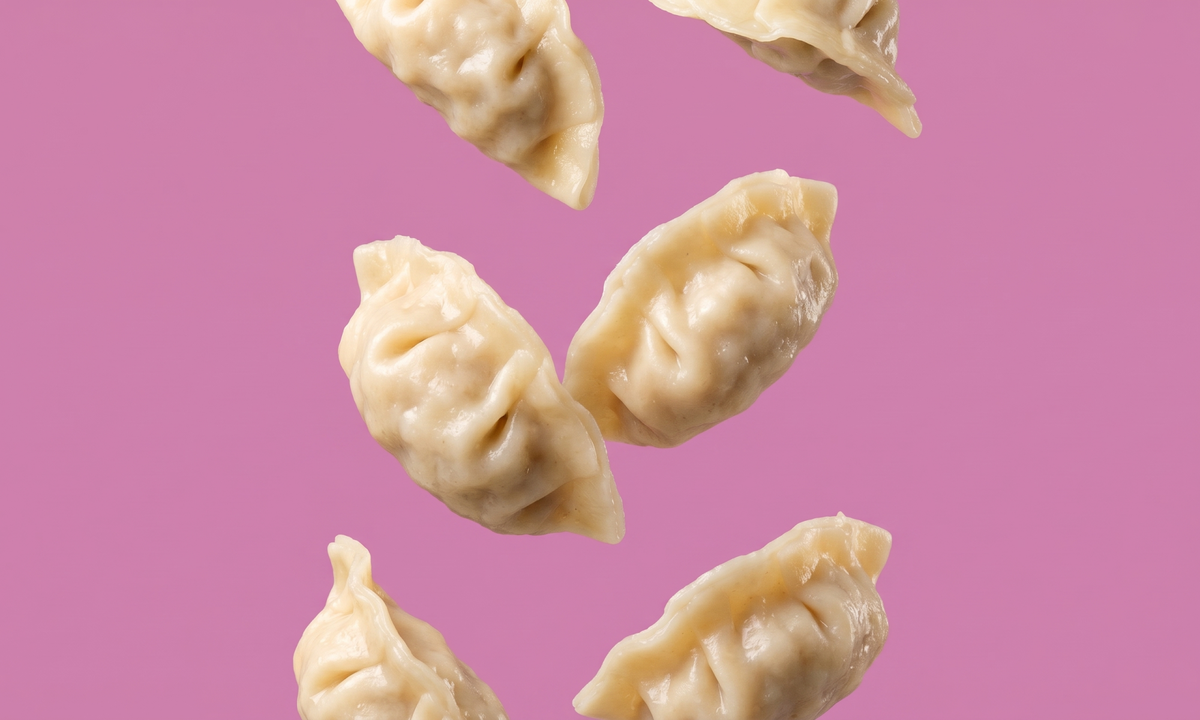
When the platter of jiaozi arrives and the curtain of steam lifts, the dumplings seem to be positively smiling up at me. Plump, perfectly formed half-moons of dough curved around fillings of chicken and shrimp, pork and onion, fifteen to a plate.
These are traditional northern Chinese dumplings, except we’re not in Beijing. We’re in Prague, where Adam Trachtman, a Philadelphia native, artist, author, and graphic designer, guides me through the ritual: First, homemade chili, soy sauce, and rice-wine vinegar are poured into the dipping dish. Next, a small bite is taken from the edge of the dumpling to let the steam escape and the lingering juices cool. Then it’s chopsticks up.
These are zhengjiao, Beijing-style steamed dumplings. Always, Trachtman says, order the steamed ones. “The fried dumplings are yesterday’s dumplings,” he tells me as we tuck into the first jiazoi.
It’s a general rule anywhere in the world, but this advice, and Trachtman’s deep knowledge of Chinese dumpling etiquette, comes straight from the woman who handmade these perfect little crescents, a Prague-based martial arts instructor and restaurateur, affectionately known as Dragon Mama (Dračí Máma). Trachtman has also come to know her as a friend.
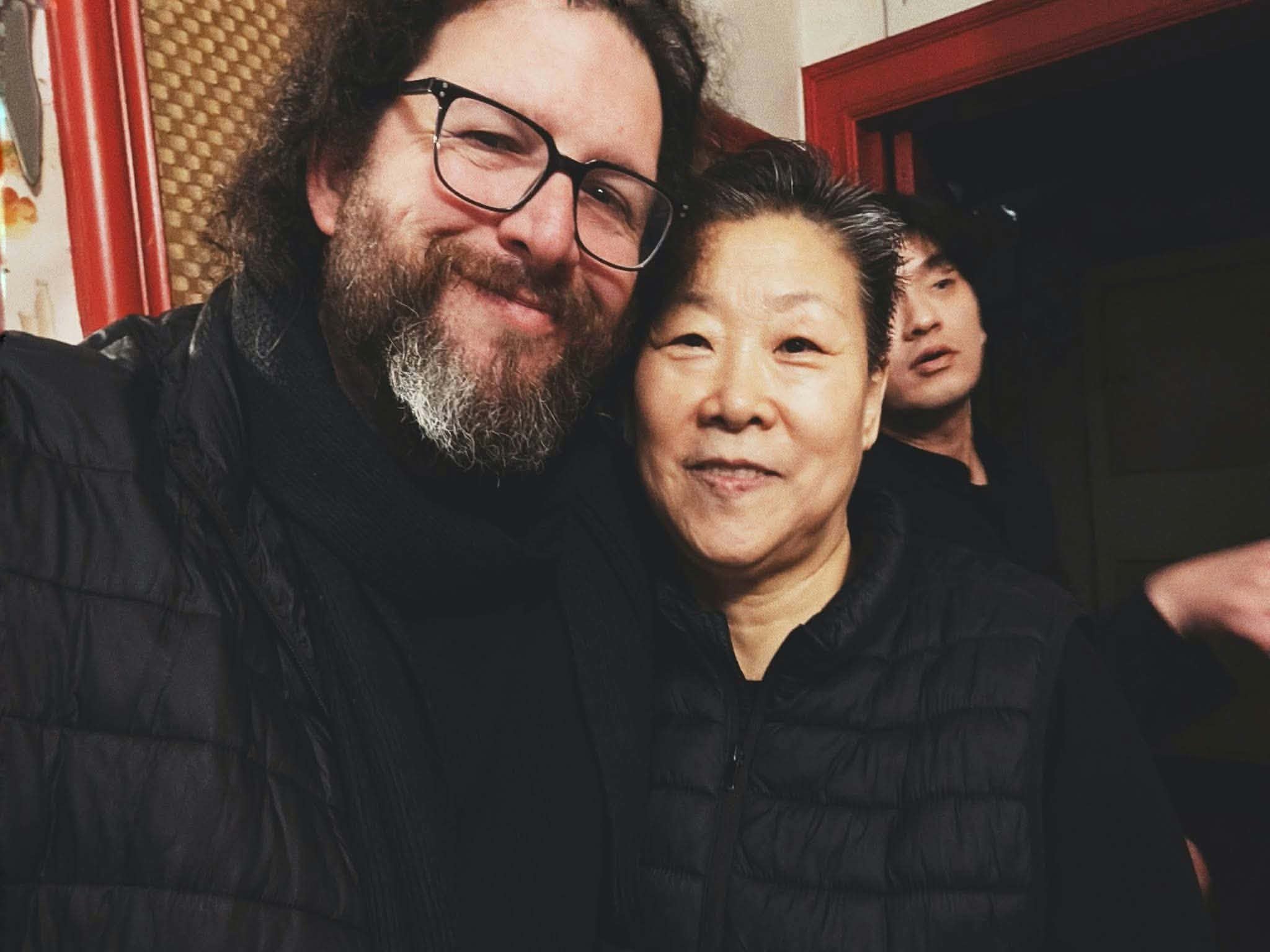
Her given name is Zhai Hua, a kung fu fighter whose dumplings have drawn a loyal following of Czechs, Chinese diaspora, and well-traveled Praguers to a tiny kitchen on a side street unnoticed by the tourist crush gathering around the revolving statue of Kafka’s head nearby. On the first bite, the dough gives a satisfying resistance before giving way to the filling: a rush of chicken and shrimp flavors, redolent with flecks of herbs and onions.
My advice to anyone who wants to taste a different kind of Prague—bypass the head and go straight for the dumplings.
The food that inspired a group chat
Trachtman’s quest for Chinese dumplings in Prague began in 2012 when he returned from six weeks in China, staying with a friend in Beijing. He describes hiking the Great Wall for a couple of days and eating a 72-dumpling tasting at Uncle Lou’s, a famous Beijing dumpling house. “We were in pain,” he says, “but we hadn’t eaten the whole day.”
Back in Prague, living a couple of blocks from Římská street, he was disheartened to discover that nothing like what he’d eaten in Beijing existed in the Czech capital. Then on his daily walk home, he noticed a newly opened Chinese restaurant run by Zhai and her daughter. He fell in love with the dumplings.
Zhai had arrived in Prague around 2000, roughly 26 years ago. She began cooking dumplings at home to take to her Czech kung fu students who kept telling her to open a restaurant. Římská was her trial: Would enough people come? At first, not many did. Adam often arrived to meet friends for lunch and found himself the only customer. But he kept coming, and he kept bringing people. He talked with Zhai and her daughter, always in Czech, about food, kung fu, and dogs. He says his Hungarian Vizsla was welcome at a time when most Chinese bistros weren’t keen on dogs.
“Between having great dumplings, being authentic, being dog-friendly, I just told everyone I knew about it,” he says.
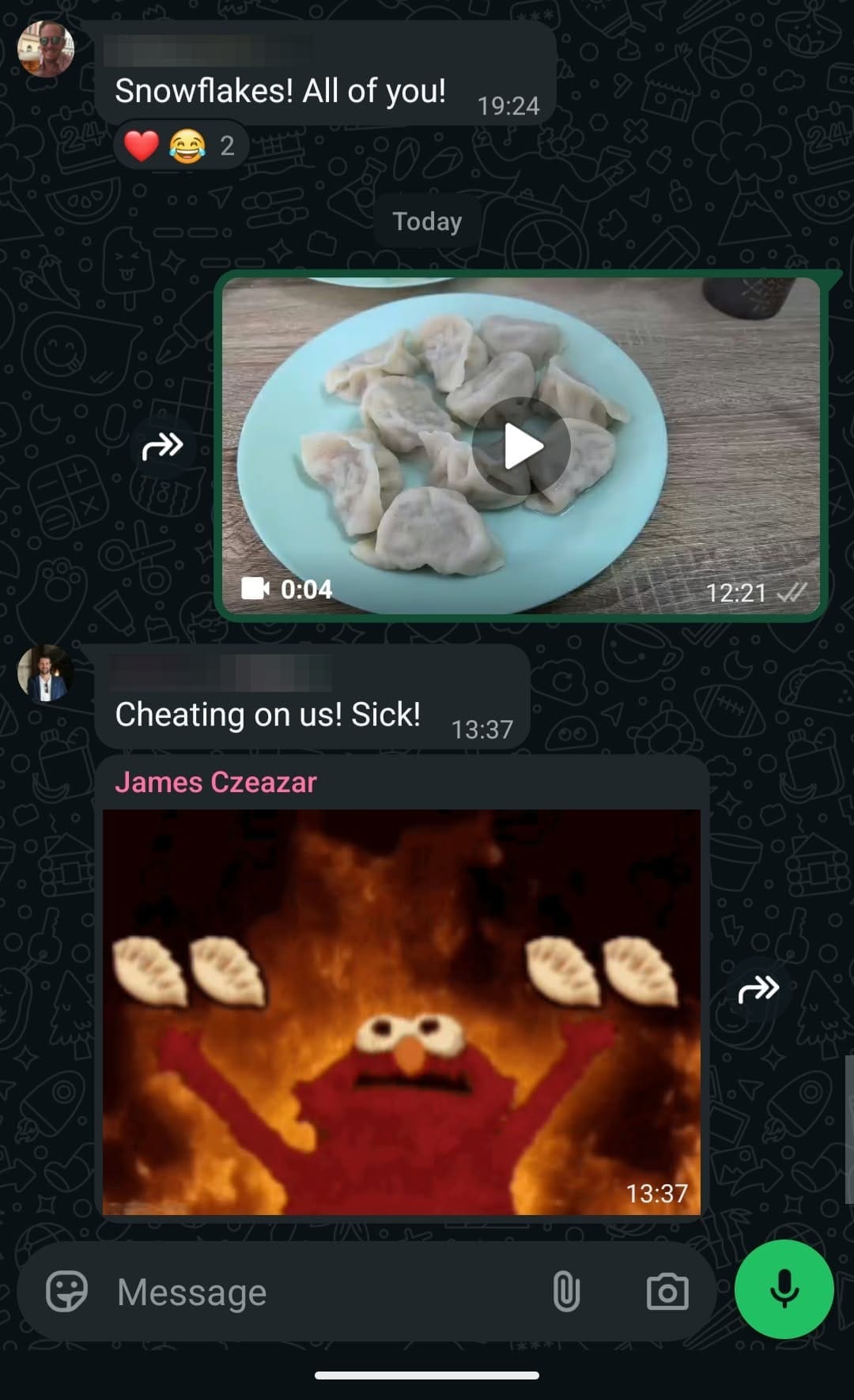
Zhai never advertised. Her students told friends and customers like Trachtman kept coming back, while the people he introduced to Zhai’s cooking came back and brought someone new. Adam organized a Facebook group of expats devoted to dumplings, noodles, kimchi, and other Asian food in Prague, whose members would meet for regular lunches.
She left Římská for a new location in Vršovice in 2019. But then came Covid. With the dining room forced to close, Zhai sold frozen dumplings, but sometimes cooked them fresh for Trachtman and his Facebook group, packing them into to-go boxes.“We’d just walk next door and sit on a bench outside the fitness center right beside the Bohemians stadium to eat them together,” says Trachtman.
By then Zhai was ready to retire. Her Czech regulars wouldn’t hear of it. A customer ordered 10,000 dumplings to convince her not to give up even though rent was high and business was slow. She continued making dumplings and selling them frozen and at pop-ups and food markets around Prague.
Dragon Mama had also shared her recipes with an existing restaurant on Vladislavova, which would eventually become the future location of today’s Hua Long Zhai. Under the previous owners, the food didn't live up to Dragon Mama’s standards—Trachtman says the portions were smaller and more expensive—which led Zhai to reopen in 2026 and bring back her beloved jiaozi.
Trachtman’s lunch group now has a new place to gather. Today they alternate between Hua Long Zhai and Kung Fu Pasta, where he says the hong pong soup is life-giving. “That is medicinal. If you’re not feeling well, that will bring you back to life,” and praises the kimchi "as maybe the best in the world, sweet, spicy, and best enjoyed when fresh.”
Dragon Mama speaks
After barely making it through half a plate (an order of 15 pierogi-sized dumplings is CZK 248), I asked Zhai whether the experience of running a restaurant in Prague had brought her more than customers. Speaking in a mix of Czech and Mandarin through a translator, she said they had.
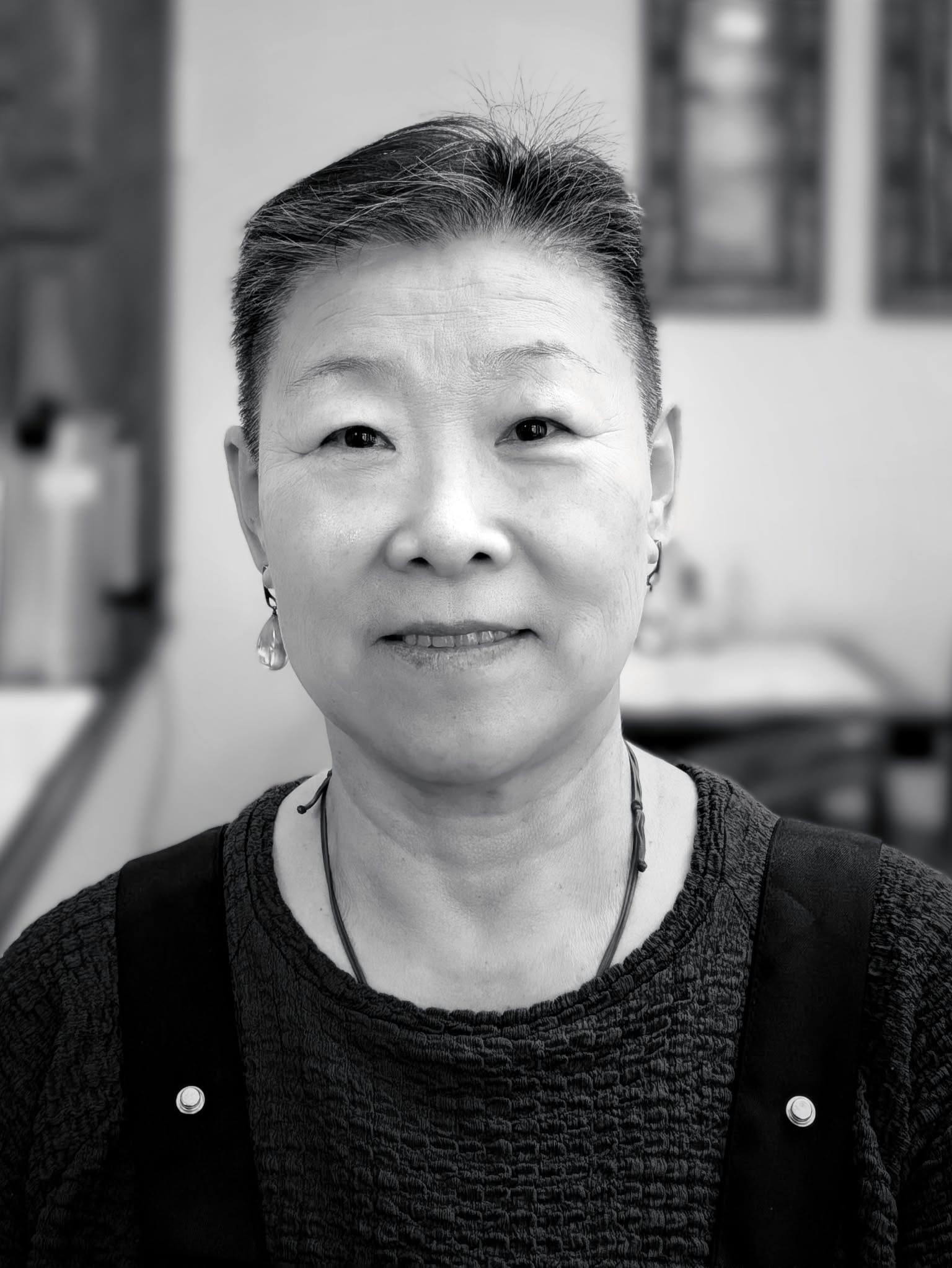
Her students were the first to eat them, and many of her customers, like Adam, have become friends. She never felt Czechs were cold either. She has taught many of them to make dumplings, though she has passed on her classes to someone else. She says the hardest part of moving here was the language. She also says she didn’t change anything for Czech tastes: These are her homestyle dumplings from northern China, and Europeans who think they know Chinese food are often surprised to find what the real thing tastes like.
Maintaining that tradition takes effort. Prague has few large Chinese supermarkets, and although the Sapa market offers a wide range of Asian ingredients, Zhai says it is predominantly Vietnamese.
She relies on a shop in Dresden to source the Chinese ingredients and supplies she needs. Her customers have included actors, singers, journalists, and, she said, a translator for the president who also practices kung fu.
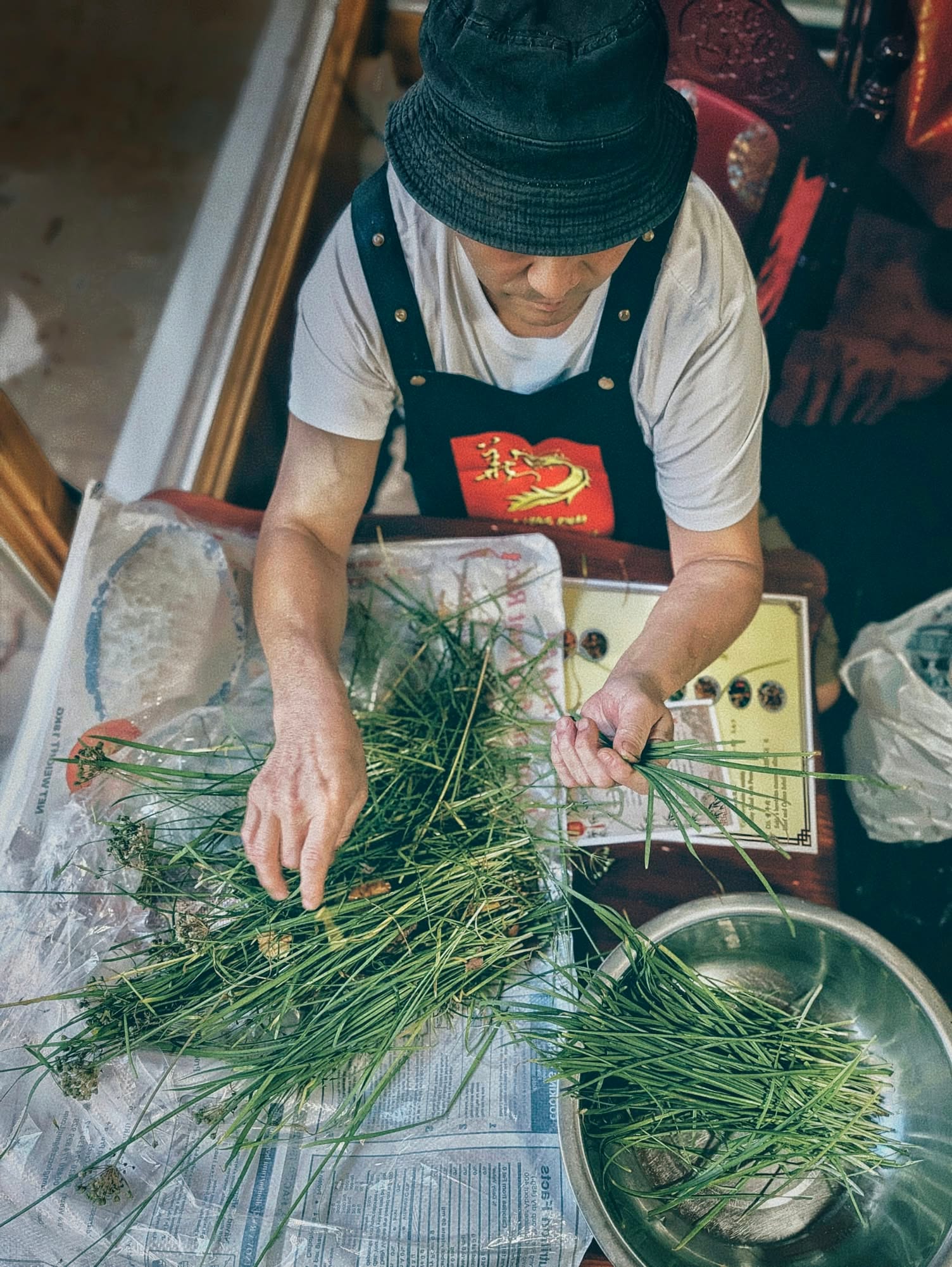
“Many Czechs who study Mandarin came to Římská to practice,” she says, adding that the mix of customers there ran about 70 percent Czech, 30 percent foreign.
When she isn’t cooking, Zhai likes to eat the Czech classics: pork knee with bread dumplings and red and white cabbage. She wants people who visit her to take away a love of Chinese culture and medicine. On the bar sits a large glass dispenser fitted with a spigot tap packed with floating medicinal roots—a traditional Chinese herbal infusion.
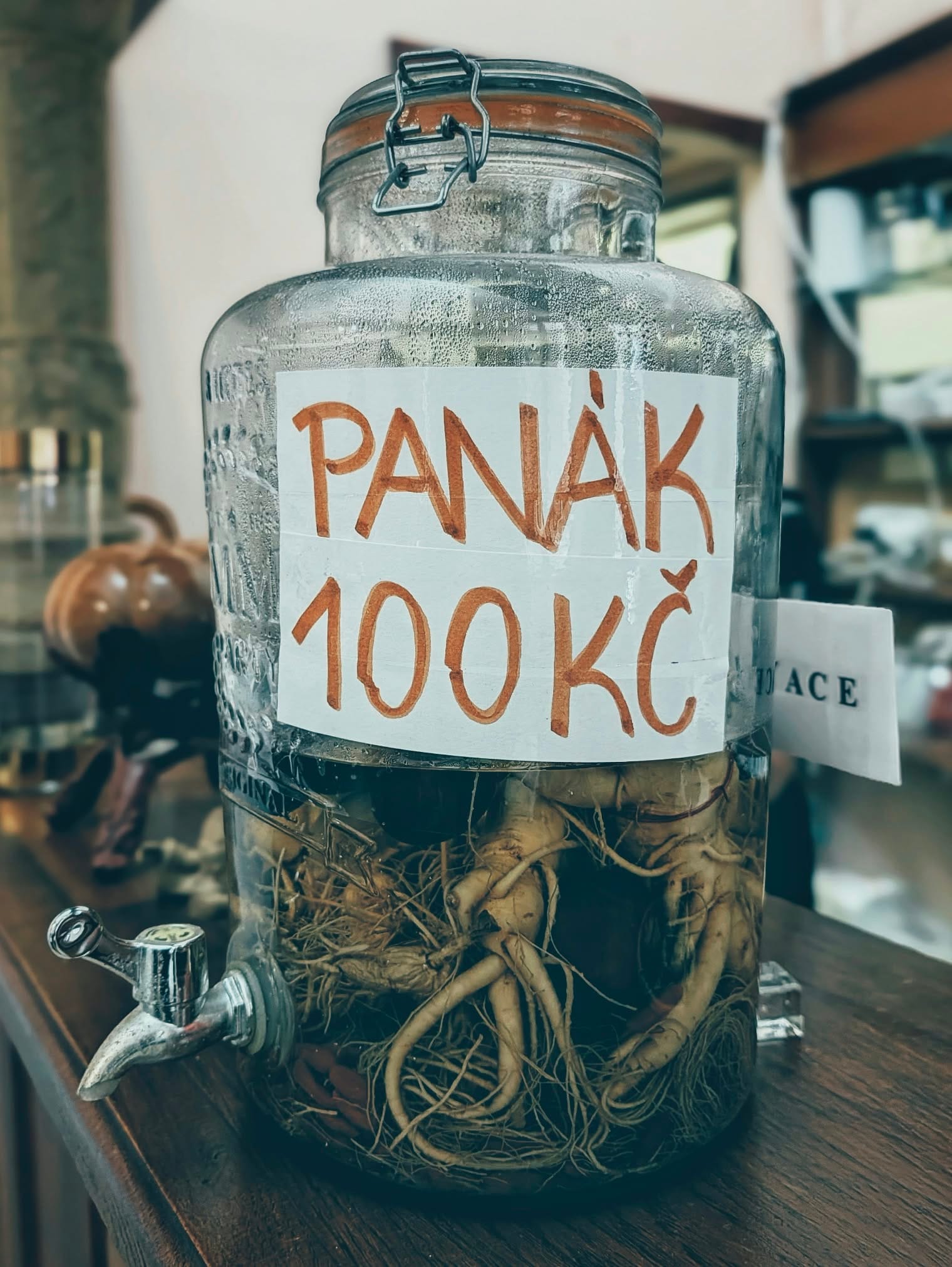
Zhai delivers a mooncake to the table and packs up our remaining dumplings to go. She and Adam have known each other for at least 14 years. When his son was a baby, Adam brought him along to the restaurant. Zhai looks delighted when Adam shows her a photograph of the boy, now as tall as his father. She also offers her condolences: she'd heard that Adam's dog, the same one she'd welcomed into her first restaurant, had died. Zhai admits she never expected such loyalty from her customers: "They just love me, and I love them back.”
Tasting notes: Zhai’s daughter recommends the crispy chicken and the Northeastern Tiger Salad, a Chinese salad dressed with a meat sauce you won’t find anywhere else in Prague. Handmade noodles are another specialty worth trying.

Comments ()